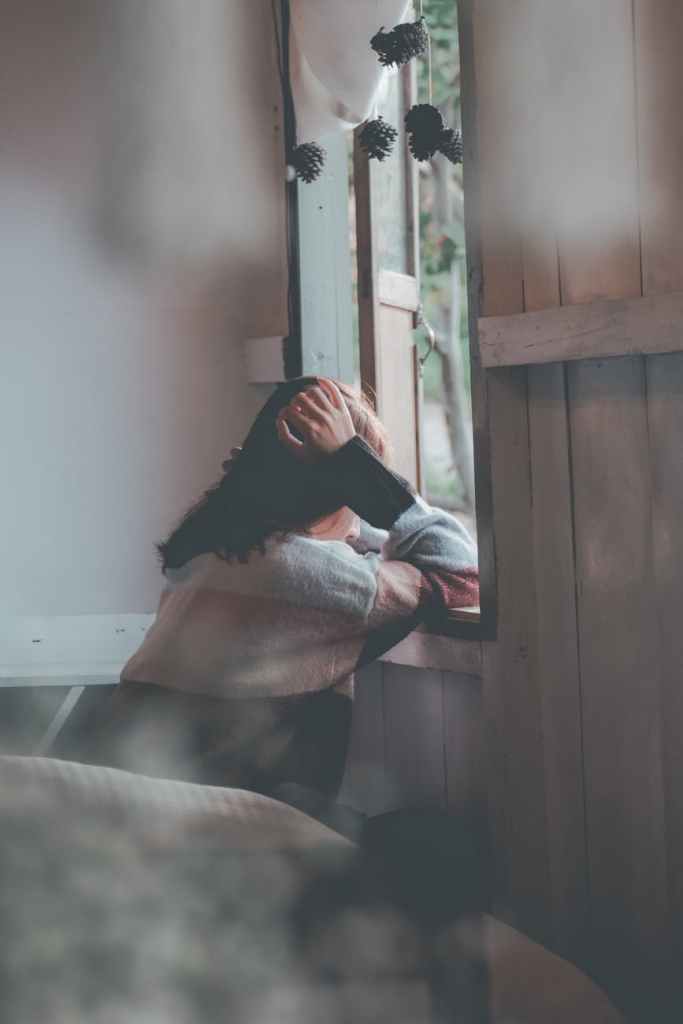
This is my analysis of “The Yellow Wallpaper” by Charlotte Perkins Gilman.
The character development in “The Yellow Wallpaper” is thought out precisely in this short story. The narrator, Jane, being a young, sick woman battling depression after having a baby is a perfect narrator for this story. In the beginning, she speaks gentle, despite what she is feeling. Towards the end of the story though, her tone changes due to her illness. She speaks more angry, unable to fight her battles within. John is introduced next. John’s character seems harder to read than the narrators. He starts out being her caregiver/at home doctor. Further into the story, it is realized that he is also her husband. John does a great job at playing his part in the story, doing what is right for Jane and being caring towards her during her sickness. One other character is introduced here, Jennie. Jennie is John’s sister. Jennie isn’t too liked by Jane because she forbids her from writing, but she also plays an important role as the housekeeper for the couple. Jane does feel guilty though because of what Jennie does for her and her husband although she is unable to.
A large theme that protrudes greatly from this piece is because of the illness of the narrator, anxiety affecting the mind. This theme shows throughout the entire short story that when battling an illness, mentally specifically, that the mind will hurt itself dealing with the anxiety and even more so when it is uninvolved in everyday tasks and behaviors, allowing the mind to socialize in a way. Keeping the mind at a rest allows it to become even more unhealthy, allowing for more room of behavioral issues, as seen with the wallpaper the women has conflicting feelings with throughout the story. One minute she hates the wallpaper, can’t wait until she heals so she can take it down immediately, and by the end of it all, she loves he paper and finds herself in it, in her own way. John, as the husband and doctor, should care for her more and take her “craze-like” feelings into more of a consideration than what he does, especially with her writing, which allows her to have her own kind of peace when she is battling. The narrator explains “There comes John, and I must put this away, –he hates to have me write a word.” (Gilman, 1899) Jane is showing here just how much John dislikes her writing, and throughout the rest of the story, it becomes noticeable how much of an effect this has on her mentally.
The most important part of this entire short story is the wallpaper itself. The wallpaper represents the symbol perfectly for this story. It gives the narrator something to focus on while she’s unable to focus on anything else, her almost direct orders from John. At first, she hates this wallpaper. It seems to be ugly to her, old, dirty, and torn. What she hates the most about it though, is the pattern she can’t seem to figure out. After having nothing to do and staring at the wallpaper for so long, she becomes aware that there’s a “sub-pattern”. “At night in any kind of light, in twilight, candlelight, lamplight, and worst of all by moonlight, it becomes bars! The outside pattern I mean, and the woman behind it is as plain as can be. I didn’t realize for a long time what the thing was that showed behind, that dim sub-pattern, but now I am quite sure it is a woman.” (Gilman. 1899) The narrator becomes aware of the sub-pattern being a woman behind bars. She feels like this woman, she empathizes with this woman, and she becomes this woman. She notices the feelings in the wallpaper are similar to her own. Trapped, hidden, unable to escape. Character development, themes, and symbolism of the wallpaper are all shown perfectly throughout this short story.
 ENH110 Literature Site